
Call 2022

The call was opened in ETIS from 1 March to 17:00 (Estonian time) on 31 March. In total, 341 applications were submitted.

Results of the 2022 Call

Team projects

Principal Investigator Project Title Institution
Tambet Teesalu Precision targeting of infiltrative glioblastoma University of Tartu
Taavi Lehto Developing Drug Delivery Technologies And RNA-based Drugs For Therapeutic Intervention University of Tartu
Janika Kõrv Clinical, Molecular and Genetic Profiling of Young-Onset Ischemic Stroke University of Tartu
Jyrki Tapio Heinämäki Multifunctional Composites of Nanofiber-Based 3D Bioprinted Constructs for Bone Tissue Engineering University of Tartu
Kaia Palm Characterization of immunological correlates and mechanisms of neurological disorders Protobios LLC
Pilvi Ilves Pediatric Stroke: Risk Factors, Neurodevelopmental Outcome and Quality of Life: Prognostic Factors for Outcome, Including Brain Plasticity University of Tartu
Heiki Valk Estonia in 1100–1400:  native society, traditions and culture in the time of changes University of Tartu
Jelena Kallas Expanding the scope of a multi-purpose lexicographic resource to grammar and L2 competence Institute of the Estonian Language
Kristi Viiding Connections, transition, change: nobilitas haereditaria ac litteraria in the emergence of early modern literature in Polish and Swedish Livonia Under and Tuglas Literature Centre
Andreas Ventsel Relational Approach of Strategic History Narratives University of Tartu
Jaak Vilo Discovery and Analysis of Clinical Pathways in Health Data University of Tartu
Peeter Laud Distributed Identity, Distributed Trust Cybernetica AS
Rainis Haller Plasticity and extremal geometric structure of the unit ball of Banach spaces with applications to the study of Lipschitz spaces, vector-valued functions spaces and tensor products University of Tartu
Enrico Nardi Towards a joint solution to distinct theoretical puzzles: the axion-flavor connection National Institute of Chemical Physics and Biophysics
Raivo Stern Emerging Phases in Quantum Magnets (EPiQuM) National Institute of Chemical Physics and Biophysics
Ago Samoson H-NMR in solid state and complementary applications Tallinn University of Technology
Agnes Kütt Naked Azanide as an Aminating Agent and a Superbase University of Tartu
Rando Tuvikene Polysaccharide Based Biomaterials: Synergistic Combinations and Enhanced Functionalities Tallinn University
Velle Toll Natural Experiments to Constrain Anthropogenic Aerosol Forcing of Earth’s Climate University of Tartu
Evelyn Uuemaa Creating Water-Smart Landscapes University of Tartu
Mark McCarthy How important is internal nitrogen loading in driving eutrophication and cyanobacteria blooms in Estonian lakes? Estonian University of Life Sciences
Olle Hints From Greenhouse to Icehouse: Reconstructing Ordovician Climate Transitions and Biotic Responses in Baltica Tallinn University of Technology
Reedik Mägi Novel Method for Type 2 Diabetes and Gestational Diabetes Risk Prediction and its Validation in Estonian and UK Biobanks University of Tartu
Tiina Tamm Regulation of Viral IRES-Mediated Translation University of Tartu
Mait Metspalu New Horizons of Ancient Biomolecules Research to Study Human Evolution, Disease and Society in the Stone Age University of Tartu
Kadri Koorem Biotic novelty of plant communities as an indicator of the diversity of plant-associated organisms University of Tartu
Maarja Öpik Soil FUNgi in the FARMing landscapes (FUNFARM) University of Tartu
Evelin Loit-Harro Yield and quality stability and sustainability in long-term cropping systems Estonian University of Life Sciences
Tsipe Aavik Resilience of Plant-pollinator Interactions in Agroecosystems: Spatio-temporal Effects of Land Use Change University of Tartu
Tiia Tulviste How Do Changes in the Digital and Language Environment at Home During COVID-19 Lockdown Affect Child Development and Wellbeing? University of Tartu
Kadri Koreinik The Promise of Proximity to Quality: Spatial Strategies to Address Geographic Distances and Linguistic Differences in Secondary Schools University of Tartu
Eiki Berg Exploring Dynamics of “Frozen Conflicts” through Actor-based Interactions University of Tartu
Kadri Leetmaa Rethinking smartification from the margins: Co-creating Smart Rurality with and for an Aging Population University of Tartu
Kristjan Tabri Dynamic response of offshore structures Tallinn University of Technology
Artu Ellmann Development of continuous DYNAmic vertical REFerence for maritime and offshore engineering by applying machine learning strategies /DYNAREF/ Tallinn University of Technology
Ants Kallaste Additivly Manufactured Electrical Machines Tallinn University of Technology
Oliver Järvik Sustainable and Effective Materials for Latent Heat Thermal Energy Storage Based on Amine Ionic Liquids Tallinn University of Technology
Taavi Raadik Next Generation Microcrystalline Pyrite Solar Cell for Terrestrial and Extraterrestrial Applications Tallinn University of Technology
Andres Trikkel Phosphorus Fertilisers and Rare Metals from Estonian Phosphorite in a Waste-Free Way Tallinn University of Technology


Starting projects

Principal Investigator Project Title Institution
Brigitta Davidjants Impact of subcultural (pop) music on the ideologization of 21st-century Estonian youth and on youth mental health Estonian Academy of Music and Theatre
Taavi Tillmann Integrating Big Health and Social Data, to Understand and Reduce Health Inequalities (BIG-HEART) University of Tartu
Arvo Kaldmäe Development of Disturbance Estimation Techniques for Nonlinear Control Systems Tallinn University of Technology
Joosep Pata Flexible and scalable data reconstruction and analysis using machine learning National Institute of Chemical Physics and Biophysics
Hardi Veermäe Physics of primordial black holes from formation to the present National Institute of Chemical Physics and Biophysics
Maksim Ošeka Development of New Asymmetric Electrochemical Methods in Continuous-Flow Tallinn University of Technology
Alexander Kmoch Framework for Spatial Predictive Modelling of Soil Properties Using Machine Learning University of Tartu
Martin Laasmaa The Role of Calcium Signaling Between Mitochondria and Sarcoplasmic Reticulum During Postnatal Development and in Disease in the Heart Tallinn University of Technology
Kadri Runnel Understanding and harnessing dead wood decomposition rates for forest carbon storage University of Tartu
Kristiina Mark Ecology, evolution and adaptation of secondary metabolites in terrestrial algae-mediated biofilms and lichens Estonian University of Life Sciences
Lilian Pukk Using environmental DNA and population genetics to understand the distribution and ecology of dangerous fish parasite and its invertebrate host Estonian University of Life Sciences
Riinu Kiiker Evolution and fitness penalties of fungicide-resistant Zymoseptoria tritici population in Estonia The Centre of Estonian Rural Research and Knowledge
Liisa Talving Affective Politicisation: How Parties Cultivate the Globalisation Divide University of Tartu
Mari-Liis Jakobson Breaking Into the Mainstream While Remaining Radical: Sidestreaming Strategies on the Populist Radical Right Tallinn University
Tara Ghasempouri Cross-level hardware security verification with semi-formal methods Tallinn University of Technology
Jana Holmar Development of New Optical Methods to Estimate Vascular Calcification and Monitor Inhibitors Removal During Dialysis in Patients with End-Stage Renal Disease (VasCalDi) Tallinn University of Technology
Svetlana Polivtseva Filter materials for turning urine into drinkable water Tallinn University of Technology
Marje Kasari Plasmid-on-Demand Platform for Antibitoic-Free Production of Recombinant Proteins University of Tartu


Postdoctoral projects

Principal Investigator Project Title Institution
Marek Mooste Pt-free Catalysts for the Oxygen Reduction Reaction in High Temperature PEM Fuel Cells University of Tartu
Kaire Loit Role of viruses in potato (Solanum tuberosum L.) and associated pathogenic and mutualistic fungi – novel solutions for biocontrol of potato diseases Estonian University of Life Sciences
Alessandra Morrone The Baltic Kindergarten: Non-adult health and diet in medieval and early modern Estonia through Paleopathology and Stable Isotope Analysis University of Tartu
Kadri Seppa The Role of RNA-recognition Motif of NELFE in Brain Physiology University of Tartu
Mahboob Alam Understanding bimetallic MNC catalysts structure-selectivity relationships in CO2 reduction using Mössbauer spectroscopy Tallinn University of Technology
Martin Kolnes Neural Gain Modulation of the Breadth of Attention University of Tartu
Keiu Telve Transnationality online – the role of virtual engagement with country of origin among Estonians in Australia University of Tartu
Ajai Kumar Pathak Understanding local-scale evolutionary history of South Asia and its impact on genetic relatedness, dietary adaptations and disease University of Tartu
Nikhil Kumar Kamboj Bio-mimetic selective laser sintered immunomodulatory antibiotic-free bioactive inorganic scaffolds for bone tissue engineering Tallinn University of Technology
Application
guidelines
Evaluation
guidelines
Budget
guidelines
Application form
template
Budget tool
Postdoctoral grant PJG_AGPJG_EGBudget guidelines for PJG, PSG and PRGPJG_AF
Starting grantPSG_AGPSG_EGPSG_AFPSG_BT
Team grantPRG_AGPRG_EGPRG_AFPRG_BT

List of Expert Panels

Guidelines for Completing Your Ethics Self-Assessment for Grant Application

The recommended form for the data management plan

Guidelines regarding bibliometric background information

Technology Readiness Levels (TRL)
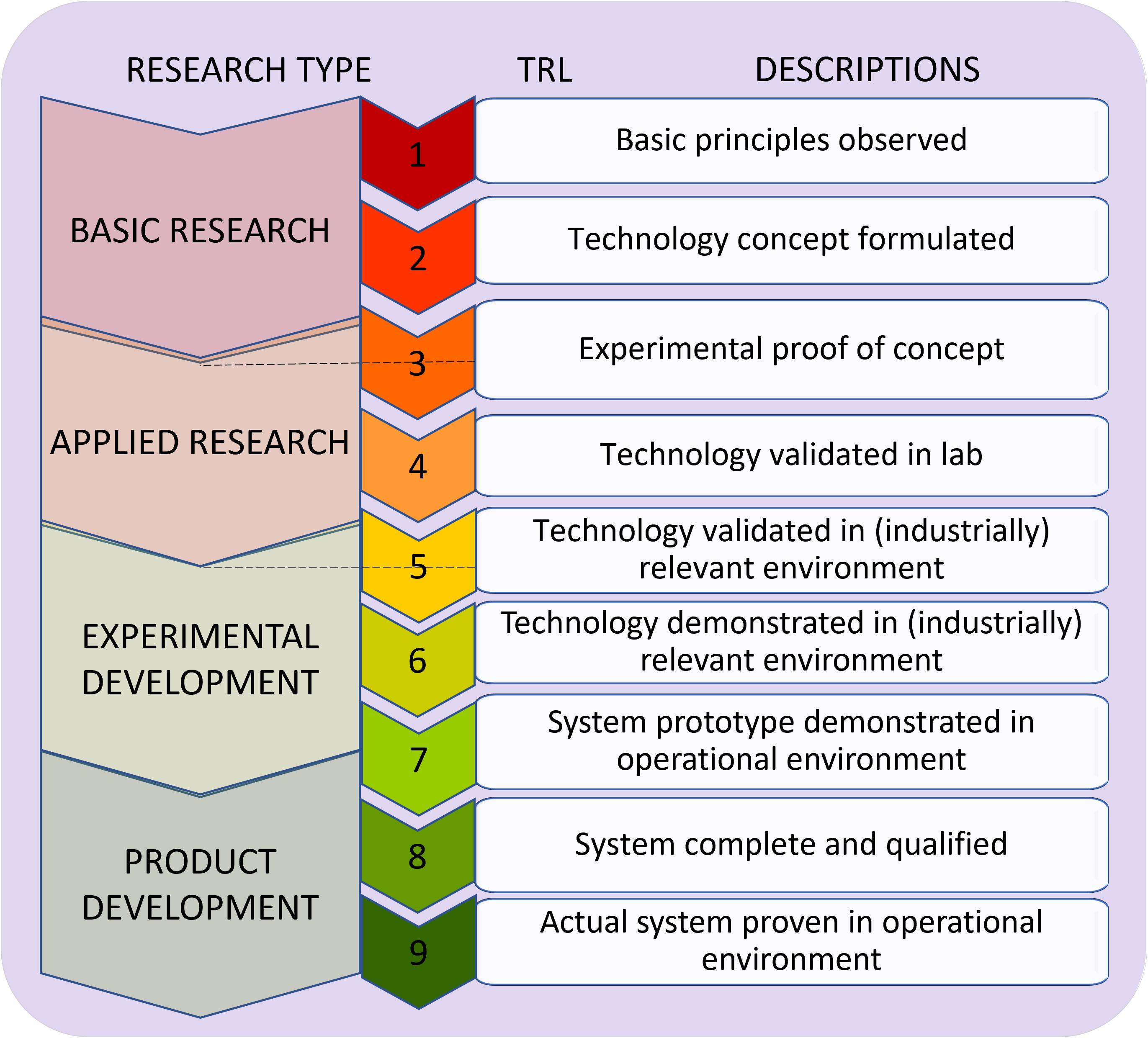
TRL descriptions

TRL descriptions adapted for Social sciences, and Humanities and Arts

The information webinar (in English) took place on 4 March 10-12 a.m. (Estonian time).

The recording of the webinar 

Webinar slide presentation

Frequently asked questions about grant applications: call 2022

What is new, compared to last year?

The timeline of the evaluation process, including the time of sending out the preliminary evaluations has changed (shifted to an earlier period), since the applications are evaluated by international Expert Panels. The evaluations are being sent out continuously because the meetings of the Expert Panels have taken place at different times (until the end of May to the beginning of July). The reason behind this is to inform the applicants of their preliminary results as soon as possible.

The time of the hearing has also shifted due to the new evaluation process and takes place during the summer (not in November as in previous years). The deadlines for the hearing have therefore been given in such a way as to avoid July when the applicants and the employees of the R&D institutions have a different work schedule (workshops, fieldwork, holidays, etc). If the meetings of the Expert Panels took place earlier, the deadlines were in June. However, if the meetings of the Expert Panels took place at the end of June or at the beginning of July a longer deadline was given to avoid deadlines in July.

  • The biggest changes are related to the transition in the evaluation process, as a result of which the applications are going to be evaluated in international Expert Panels: starting and team grant applications are going to be evaluated in (sub-)field-specific Expert Panels; postdoctoral grant applications are going to be evaluated in a separate non-field-specific Expert Panel.
  • A separate Expert Panel will be formed for evaluating the aspects of research ethics and data management, which will evaluate all the postdoctoral grant applications that pass the quality threshold and these starting and team grant applications that the Evaluation Committee has forwarded to be evaluated.
  • The number of the evaluation criteria and sub-criteria as well as partial overlap in the evaluation guidelines has been reduced.
  • The period of starting grant projects will be extended from four years to five years.
  • There is going to be an increase in the grant amounts of postdoctoral and starting grants. In case of postdoctoral grants, the mobility allowance (previously relocation allowance) is going to be included among research costs. The new grant amounts can be found in the budget guidelines.
  • In order to apply for the team grant, the research team has consist of at least three members and in addition to the PI, there has to be at least one member of the senior research staff. If applying for the team grant with the grant amount III or IV, then the research team has to include at least three members of the senior research research staff.

Compiling the application

In 2022, it is not allowed to apply for the grant if you are the PI of a project funded by the Council, incl.  the Mobilitas Pluss postdoctoral project that will continue in 2023 (whole year).

Neither can the members of the senior research staff and other research staff of the projects that will continue in 2023 (whole year) apply for the team grant. They can, however, apply for the postdoctoral or starting grant.

The same person cannot be listed in any other grant application in the same call, except when his/her participation periods in diferent projects do not coincide.

Only the materials of administrative nature (proofs, letters of confirmation, etc.) and the budget tool in English if applying for the grant amount III or IV can be added.

A researcher who has a doctoral degree and has received consent from a positively evaluated Estonian R&D institution can submit the grant application.

One can simultaneously apply for only one grant.

The applicants should first familiarise themselves with the principles of data management adopted by their institution and complete a data management course at their institution. The guidelines provided on the website of the University of Tartu Library are helpful for filling in the section for data management.

No, it is necessary to include only the workload that the PI and the member(s) of the senior research staff have at the institution according to their employment contract. During the implementation of the project the workload of the PI must be 1.0 except in justified cases with the approval of the Evaluation Committee. The minimum workload that the participants of the team project can have at the institution is 0.2 (one day per week). If applying for the team grant with the grant amount III or IV, then the research team has to include at least three members of the senior research research staff who are employed at the institution with the workload of at least 0.5. If applying for the starting grant with the grant amount III or IV, then the research team has to include at least one member of the senior research research staff who is employed at the institution with the workload of at least 0.2. The contribution of the PI and of the member(s) of the senior research staff has to be described in the application and it could be taken into account when evaluating the applications.

It is important to differentiate between dissemination that is aimed at the academic world (both within a particular discipline as well as among other disciplines) and at the public.

The need for disseminating the results of research projects is related to the expectations of the state and the society, aiming to make the research funded with public money more transparent and raise public awareness. Different mediums can be used for disseminating research findings outside academia – social media, websites, newspaper and magazine articles, books and textbooks, public appearances, and audiovisual aids. The dissemination of research findings helps people understand how research can have a positive impact on their life and on the society as a whole. It also encourages the creation of new forms of cooperation with other researchers and with enterprises and demonstrates the importance of high-quality research to decision-making and funding bodies.

NB! Please think about and describe how and to which target groups the research will be disseminated during the entire period of the project already in the application as well as if and which costs will accompany the dissemination activities.

The only files that can be attached to the justification part of the application in ETIS are as follows:

1) the list of references used in the justification part of the application;
2) figures illustrating the relevant issues in the justification;
3) timetable of the project (e.g., Gantt chart);
4) risk assessment and mitigation plan.

The materials added to the justification part of the application will also be examined by the reviewers and therefore only PDF files can be added (and not, e.g., DigiDoc files).

NB! If the additional materials do not meet the requirements, then the application will be sent back to the applicant for making corrections.

NB! The additional files attached to the justification part of the application cannot contain descriptive or explanatory text (e.g., the research methods have to be described in the main part of the application, not in its annex).

Yes, he/she can apply.

No, he/she does not. By submitting the application, the applicant and the institution confirm that if the application will be approved, the institution will enter into a full-time employment contract with the applicant for the project period.

In starting and team grant applications, students and skilled specialists (laboratory technicians, assistants, engineers, technicians, etc.) whose participation is essential for the implementation of the project can be included as the other staff members. It is not possible to include people with a doctoral degree and in the case of a starting grant also doctoral students as other members of the research staff.

The application has to be filled in in English, because the applications are evaluated by international expert panels.

It is necessary to present the information regarding the applicant’s previous research activities during the past 10 years (i.e., in case of call 2024, since 2014). If the applicant has been on pregnancy, maternity or parental leave, or in compulsory military service, or there have been other exceptional circumstances (e.g., serious illness) after obtaining the doctoral degree and during the past 10 years, then the period is extended by the corresponding period in full years and is rounded up to the higher number of years.

Among the R&D results, it is also possible to show the articles that have not been published yet, but have been accepted by the publisher. In that case, the latest version of the accepted article together with the letter of confirmation from the publisher has to be added.

The PDF files containing the full texts of the articles have to be uploaded. If the access to the articles is restricted, then its status in ETIS can be marked as “restricted”. 

NB! The manuscripts that have been accepted and the articles that have been published after the application has been submitted will not be taken into account.

The CVs of the applicant and of the member(s) of the senior research staff provide additional information for the experts evaluating the applications (e.g., information regarding previous research experience, a full list of publications, etc.). It is therefore very important that the ETIS CVs of the applicant and of the members of the senior research staff that are attached to the application are correct and up-to-date, so that it would be possible to evaluate their qualifications against their role and tasks described in the application. The ETIS CVs that have not been updated may have a negative impact on the assessment of the application.

The data management plan contains a detailed description of the data created during the project, and the processing, collection, storage of data. The PI of the funded project submits a data management plan approved by the institution within the first six months of the project. You can choose the form of the data management plan yourself. You can use the form on the ETAG website.

The information regarding this part of the application can be found in the Evaluation Guidelines for the respective grant type (starting, and team grant) on ETAG’s website.

Before the submission deadline (31st March 2025 at 17:00 Estonian time), it is, in justified cases, possible to send the application back for corrections if requested so by the applicant. After the submission deadline the application is considered to have been submitted and it will not be possible to make any content-related changes, corrections, or additions. Before the reviewing process begins, the technical details (compliance with formal requirements, obvious factual errors, e.g., incorrect year, etc.) will be checked by the ETAG, during which the ETAG may send the application back to the applicant for making amendments.

NB! One is allowed to make only these changes that the ETAG has drawn attention to. In case other additions or corrections become evident or if the changes have not been made by the deadline, the ETAG is entitled to reject the application.

Grant amount

It is important to justify the amount of the estimated staff costs (why is it necessary to involve this particular number of senior or other members of the research staff, i.e., to what extent will their salary or scholarship be covered by the grant and what are their roles and tasks, incl. the role of the students involved in the project, etc.) and the amount of research costs, incl., the costs for conducting the experiments. It is also necessary to objectively justify why one is applying for this particular grant amount (I-IV in case of starting and team grants, and I-II in case of postdoctoral grants).

In order to calculate the direct costs better, a special budget tool is available both on the website of the Council as well as in the upper right-hand corner of the application form in ETIS. Based on the average annual budget that is calculated in the table (by summing up the annual costs and dividing this sum with the number of the years) and in accordance with the budget guidelines, the most suitable fixed grant amount has to be added to the application.

In case of applying for the grant amounts I and II, adding the XLSX file of the budget tool to the application is only optional. In case of applying for the grant amounts III and IV, it is obligatory to add a detailed calculation of the budget to the application form in ETIS, i.e., the filled-in XLSX file in English.

In the budget table, the names of the participants of the project have to be mentioned. The salary for the members of the research staff can either be provided so that their names have been listed separately (e.g., in year x, the salary for the member of the senior research staff y will be covered by the grant in the extent of 80% in the sum X, etc.) or so that the salary for the participants have been grouped together (members of the senior research staff, other members of the research staff (academic and non-academic staff), other members of the research staff (students), e.g., the annual salary (incl. taxes) for the three members of the senior research staff X, Y, and Z all together is the sum x. In any case, it is necessary to mention to what extent the salary for each of the participants of the project will be covered by the grant.

The staff costs of the postdoctoral grant can be used for the salary of the postdoctoral fellow.

In case of starting grants, the PI and the member(s) of the senior research staff have to be fully or partially remunerated from the grant.

In case of starting grants with the amounts III and IV, the salary of at least one member of the senior research staff has to be covered by the grant to the extent of at least 50%.

In case of team grants, it is obligatory that the member(s) of the senior research staff are fully or partially remunerated from the grant. In case of grant amounts III and IV, the salary of at least three members of the senior research staff has to be covered by the grant to the extent of at least 50%.

No, this has not been determined beforehand. The applications of the same grant type (starting, and team grant) will compete with each other in the same (sub-)field-specific ranking list. When compiling the budget, one has to pay attention to that the grant amount applied for is justified and realistic for achieving the objectives of the project, and that all the requirements for applying for this grant amount have been met.

No, the justification for and the elaboration on the grant amount (direct costs) will be evaluated on the basis of the objectives of the project as well as on the methods and/or specifics of the research field. If the budget has not been justified well enough, then it will have an impact on the score of the application, which could mean that, since the competition is tough, the application will not be approved.

Yes, the applicants of starting and team grants have the right to request a smaller amount than the fixed grant amount, but the amount has to be rounded up to a whole number.

Applying for the postdoctoral grant

In call 2022, the date of obtaining the first doctoral degree in the research field in which the application is to be processed cannot be earlier than 1 January 2017. The date of obtaining the doctoral degree is the date in the respective document issued by the awarding body.

If the applicant has been on pregnancy, maternity or parental leave, or in compulsory military service, or there have been other exceptional circumstances (e.g., serious illness) after obtaining his/her first doctoral degree, the period of qualification is extended by the corresponding period in full months and is rounded up to the higher number of months.

The applicant who does not have a doctoral degree at the time of submitting the application may submit the application, provided that the applicant will obtain the doctoral degree or equivalent qualification before 1 January of the year the project is scheduled to begin.

If the applicant does not have a doctoral degree at the time of submitting the application, then the time when the doctoral degree is expected to be obtained has to be specified in the application. It is advisable to contact the Council in order to make sure that you are eligible to apply in this call. It will not be necessary to submit an application for making an exception.

The postdoctoral fellow can neither be the PI or the member of the (senior) research staff of another research project funded by the Council. When it comes to receiving additional funding from other sources, then the Council does not impose any restrictions in this respect.

If the topics of the postdoctoral projects coincide, then the applicant has to choose one of them. The same project cannot be financed from different sources.

The institution is an Estonian R&D institution that will enter into an employment contract with the postdoctoral fellow. The collaborating institution is the foreign R&D institution where the project will be carried out. The grant will be allocated to the Estonian institution (not to the collaborating institution).

No, the applicant who has been awarded the doctoral degree by an Estonian R&D institution cannot apply for the postdoctoral grant to carry out the project in Estonia. If the applicant wishes to implement the postdoctoral project partially in Estonia, then it has to be highlighted in the application and its necessity has to be justified. It is also necessary to clearly indicate the time period(s) of staying in Estonia as well as the activities undertaken in Estonia (e.g., in the Gantt chart). In justified exceptional cases it is possible to implement the project in Estonia only partially, but no more than up to a limit of 50%.

Yes, they can.

Even if the Evaluation Committee has made the funding proposal, then until the directive of the Management of the Council to award the grant has been signed, this is at the applicant’s own risk. The start date of the postdoctoral project can be postponed, but the projects that have received funding in call 2025 have to begin no later than on 1 July 2026. In justified cases, it is possible to request a later start date of the project, but in this case the end date of the project will not be extended and the allocated grant amount will be smaller according to the number of the months passed. The start date of the postdoctoral project is the first day of the month and the end date is the last day of the month.

The letter of confirmation has to be addressed to the Council. It has to contain a confirmation by the collaborating institution and by the postdoctoral supervisor that:

  • the supervisor is familiar with the topic and with the period of the postdoctoral project and is willing to supervise the postdoctoral fellow on this topic and during this period;
  • the supervisor and the collaborating institution are aware that the postdoctoral fellow will implement the project (at least partially) in the country where the collaborating institution is situated;
  • if the application will be approved, the postdoctoral fellow will have a place of work, necessary equipment, and access to the necessary information and research infrastructure.

It is also advisable to add a short description of the planned tasks that the postdoctoral fellow will undertake at the collaborating institution.

The letter should be signed by the supervisor and/or by an authorised representative of the collaborating institution.

When describing the development of the research career of the postdoctoral fellow, it should be considered if the project includes the following aspects:

  • gaining experiences through new methods and methodology, and working with new instruments;
  • participating in seminars and (training) courses at the collaborating institution;
  • transferable skills, incl. compiling a project or patent application, leading a project or a research team, supervising students, public speaking, entrepreneurship, etc.

Yes, in justified cases (e.g., in case of an interdisciplinary project) the postdoctoral fellow can have more than one supervisor. The CV of the co-supervisor(s) can be added as a separate file under the tab “Additional information”. The co-supervisor(s) will not be evaluated.

Yes, it is possible to use some of the grant money for remunerating the supervisor. In addition to remunerating the supervisor, the collaborating institution may also ask the postdoctoral fellow to reimburse other costs. The applicant should find out which costs (e.g., bench fee) the collaborating institution expects him/her to cover as soon as possible. The ways for covering these costs have to be arranged with the (Estonian) institution beforehand.

Applying for the starting grant

In 2022, researchers who have obtained the doctoral degree between 1 January 2016 and 1 January 2021 are eligible to apply. The date of obtaining the doctoral degree is the date in the respective document issued by the awarding body.

If the applicant has been on pregnancy, maternity or parental leave, or in compulsory military service after obtaining his/her first doctoral degree, then the period of qualification is extended by the corresponding period in full months and is rounded up to the higher number of months.

Yes, the applicant of the starting grant needs to have aquired research experience in a foreign country after obtaining his/her doctoral degree (e.g., postdoctoral studies). The periods one has been abroad during the doctoral studies will not be taken into account.

In case of applying for the grant amounts I and II, then the members of the senior research staff do not need to have a doctoral degree. In case of applying for the grant amounts III and IV, then the research team has to include at least one member of the senior research staff with a doctoral degree or equivalent qualification who is an academic staff member, and doctoral students employed or studying at the same institution during the implementation of the project and who shall be fully or partially remunerated form the grant.

Applying for the team grant

In 2022, a person cannot apply for the team grant if he/she is the PI or the member of the senior research staff of a research project funded by the Council that will continue in 2023 or last longer than that.

If there is a wish to include students who will obtain their doctoral degree in the future, then they have to be listed as the members of the other research staff in the the application. It is also possible to explain that they will be involved in the project as the members of the senior research staff once they have received their doctoral degrees.

The researchers who work at other Estonian R&D institutions may also participate as the members of the (senior) research staff. Their remuneration and the research costs of the project shall be agreed upon between the PI, the institution, and the institution(s) where the members of the (senior) research staff are employed.

No, that is not possible.

Evaluation of the applications

The earliest start date of the funded projects is 1 January 2023. In justified cases, the starting grant and team projects can begin later than on 1 January 2023, but in this case the end date of the project will not be extended. The postdoctoral projects can begin between 1 January 2023 and 1 July 2023. In justified cases, the postdoctoral project can begin later than on 1 July 2023, but in this case the end date of the project will not be extended. In case of a later start date, the allocated grant amount will be smaller during the first year in accordance with the number of the months passed.

The applications are processed and the ranking lists compiled in the Expert Panels which represent seven R&D (sub-)fields in accordance with the categorisation of the OECD Frascati Manual (2015) classification of research and development (R&D) fields. Depending on field-specific differences, the number of the applications, etc., there could be one or several Expert Panels in one field. The funding decisions will be made in seven fields:

  1. Natural sciences
    • Exact sciences
    • Biological and environmental sciences
  2. Engineering and technology
  3. Medical and health sciences
  4. Agricultural and veterinary sciences
  5. Social sciences
  6. Humanities and the arts

The research field(s) under which the application belongs has/have to be listed in the application. It is also possible to list different (sub-)fields and show their percentages as well as to choose the preferred Expert Panel. However, the Evaluation Committee may decide which Expert Panel should process which application, i.e., the preference chosen in the application may not be taken into account.

Since call 2023, numerical quality threshold is no longer in use. The applications with a final score lower than 80% of the maximum score do not qualify for funding, regardless of their field. However, the qualification threshold on the nine-point differentiated rating scale (grades 1–5) is 3 (good).

NB! If you have applied for the same grant type before from the Council and you are not certain whether this application passed the threshold or not, please contact the Council beforehand in order to make sure that you are eligible to apply in this call.

The grant applications are visible in ETIS only to a very limited number of people. In order to process the applications, authorised employees working at the Council and at the R&D institutions have access to the applications. In order to evaluate the applications, the members of the Evaluation Committee, members of the field-specific Expert Panels, and the reviewers have access to the applications. All the aforementioned people have to sign an authorisation agreement, the integral part of which is the declaration confirming confidentiality and the absence of any conflict of interest.

NB! The people evaluating the applications will not gain access to the applications before signing the declaration. If someone has declared a conflict of interest or the conflict of interest with one or more applications has become evident, then no access to this/these application(s) will be granted in ETIS, i.e., this person will neither be able see the application, the additional materials attached to it, nor the evaluation results.

NB! In case of reasonable doubt concerning the conflict of interest or breach of confidentiality, the applicant shall inform the Council immediately.

If the project receives funding

It means that the applicants are required to consider and describe all ethical issues involved in the proposed project. The applicants have to consider the ethical risks of any procedure involving human participation, the collection and use of personal data, and animal testing. The description of the principles of research ethics must specify how the principles of voluntary participation, informed consent, confidentiality, and anonymity of the subjects will be followed as well as how such data will be stored and protected. More specific information can be found in the document “Guidelines for Completing Your Ethics Self-Assessment for Application of Personal Research Funding”.

The use of the research methods that require a review or approval from a specific ethics committee should also be clearly indicated in the application. If the project necessitates compliance with the Nagoya Protocol, the applicant has to mention whether he/she already has or has to obtain the due diligence declaration.

If no ethical issues discussed in the document “Guidelines for Completing Your Ethics Self-Assessment for Application of Personal Research Funding” arise during the implementation of the project, then this, too, has to be explained in the application.

If the relevant licences have been obtained by the application deadline, then they should be attached to the application. In other cases, the licences have to be submitted no later than prior to the beginning of the respective research. If the licence from the specific ethics committee has not been submitted prior to the beginning of the respective research, then the Council is entitled to revoke the decision of approving the application and terminate the grant contract.

The Nagoya Protocol is a convention on biological diversity aimed at sharing the benefits arising from the access to and utilisation of genetic resources in a fair and equitable way.

Guidance document on the scope of application and core obligations of Regulation (EU) No 511/2014 of the European Parliament and of the Council on the compliance measures for users from the Nagoya Protocol on Access to Genetic Resources and the Fair and Equitable Sharing of Benefits Arising from their Utilisation in the Union was adopted on December 14, 2020.  Overview of conditions for applicability of the EU ABS regulation can be found in Annex 1.  Specific guidance on the concept of utilisation is presented in Annex 2.

It is important to be certain if the project necessitates compliance with the Nagoya Protocol before submitting the application. If human genetic resources will be used, then the Nagoya Protocol does not apply to the project. If it becomes apparent that the planned R&D activities are related to genetic resources and associated traditional knowledge and therefore necessitate compliance with the Nagoya Protocol, then it will be necessary to declare the due diligence declaration in the international database DECLARE. If such a project is funded, then the due diligence declaration has to be submitted to the Council in the final report at the latest. The due diligence declaration is necessary for gaining access to genetic resources. Should you wish to discuss whether your research and research objects necessitate compliance with the Nagoya Protocol, please contact a Research Funding Officer working at the Council or a contact person working at the Ministry of the Environment before submitting the application.

The PI of the team project may, in exceptional cases, have a less than a full-time employment contract at the institution. Changing the workload of the PI has to be agreed upon with the Council before submitting the request, which has to be confirmed by the institution, to the Council. What should be taken into consideration is that the Council may decide to continue funding the project at a lower rate if the workload of the PI has reduced.

The PI of the starting project may have a less than a full-time employment contract at the institution if he/she simultaneously works part-time for another employer in Estonia to achieve the objectives of the project (e.g., working simultaneously as a healthcare practitioner).

The PI of the starting project cannot be replaced. In justified cases, it is possible to request the replacement of the PI of the team project with a member of the senior research staff of the project. In order to do that, the PI and the institution have to submit a well-reasoned request to the Council.

Grant projects can be temporarily suspended upon receiving a justified request from the PI, which has also been confirmed by the institution. The request has to be submitted to the Management of the Council prior to the beginning of the suspension period (the start date and the expected end date in full months). It is not possible to suspend the project retrospectively. The PI can request the temporary suspension of the project in case of pregnancy, maternity or parental leave, compulsory military service, or in case of other exceptional circumstances for up to three years. The grant contract will be suspended for the temporary suspension period of the project.

Projekti vältel on üldjuhul võimalik taotleda üksnes grandi mahu vähendamist. Näiteks saab suure mahuga stardigrandi projektijuht taotleda grandi jätkamist väikse stardigrandi mahus, kui kaob vajadus (põhi)täitjate kaasamiseks vms. Samuti võib ETAG teha ettepaneku projekti jätkamiseks vähendatud grandimahuga, kui suure grandimahu tingimused ei ole täidetud. Ainsa erandina on võimalik taotleda grandimahu suurendamist juhul, kui taotleja soovi alusel eraldati talle esimesel aastal fikseeritud grandimahust väiksem summa. Sellisel juhul on tal võimalus järgmis(t)el aasta(te)l põhjendatud juhtudel taotleda grandi suurendamist tema projekti fikseeritud grandimahuni.

Yes, it can. The activities and direct costs of the project are to be described in the application for the first year of the project, but the distribution of the direct costs may change from year to year. The ratio of direct costs may be changed up to 20% (of the annual grant sum) without making a contractual amendment. If the changes exceed that, then the changes must first be agreed upon with the Council. The budget allocations may be transferred from one year’s budget to another year if this is in accordance with the accounting regulations of the institution.

Contact

eveli

Eveli Laats

Head of the Unit of National Research Grants

teadusest 2026